Case Studies
Monitoring Nutrients in the Teifi Catchment and Ceredigion Coast
At a glance
Location: Teifi catchment and Ceredigion coast, Wales
Monitoring: Phosphate and nitrate
Challenge: Understanding how nutrient concentrations vary across the catchment and identifying the factors influencing water quality
Approach: Continuous nutrient monitoring combined with river discharge, rainfall and spot-sample data
Key finding: Continuous monitoring captured significant, short-lived phosphate peaks that sporadic spot sampling alone could have missed
Impact: Real-time ClearWater Sensors data is being exported to the West Wales Nutrient Management Portal to support a more responsive approach to catchment management
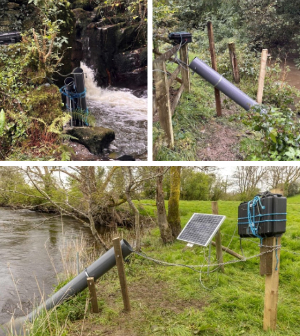
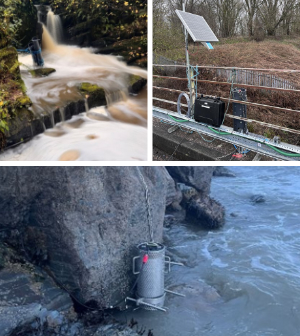
How continuous monitoring is revealing nutrient pollution patterns that spot sampling alone can miss
An extensive nutrient monitoring study across the Teifi catchment and Ceredigion coast is using ClearWater Sensors technology to build a more detailed picture of how nutrient concentrations change over time, and where pollution may be coming from.
The challenge
Could better rural land management drive significant improvements in water quality?
To help answer this question, an extensive nutrient monitoring study began in the Teifi catchment in March 2024. ClearWater Sensors phosphate and nitrate sensors were installed alongside multiparameter sondes, with the number of monitoring sites and deployed sensors steadily increasing since then.
The study has also expanded to include two marine sites at New Quay and Aberystwyth, with ammonia sensors due to be added in 2027 to complement the existing nitrate and phosphate monitoring.
Building a more complete picture
Continuous sensor measurements are combined with river discharge and rainfall data, as well as nutrient spot samples from Natural Resources Wales, citizen science measurements and ClearWater Sensors staff.
Bringing these different sources together provides a more comprehensive picture of water quality across the catchment, including changes that may happen too quickly to be captured through periodic sampling alone.
What did the data reveal?
The monitoring has highlighted two particularly important findings:
- Phosphate concentrations frequently exceeded Special Area of Conservation (SAC) compliance targets, with large peaks occurring following storm events.
- The highest phosphate loads were measured in two tributaries of the Teifi with no significant urban land use or sewage inputs.
Crucially, the magnitude and timing of some of these phosphate pollution events would not have been detected by sporadic spot sampling alone.
Continuous monitoring captured pollution events that spot sampling alone could have missed.
Spot samples remain valuable for confirming sensor results, but phosphate concentrations can change rapidly. Taking manual samples every 30 minutes or every hour is simply not practical, making automated continuous monitoring an important tool for understanding what is happening in a catchment over time.
From data to action
The findings demonstrate the value of high-frequency monitoring in building a clearer picture of nutrient pollution across a catchment. In particular, the elevated phosphate loads recorded in tributaries without significant urban land use or sewage inputs highlight the importance of investigating rural sources and understanding how land use, rainfall and other factors influence nutrient movement through the catchment.
This more detailed evidence can help inform targeted catchment management and support decisions about where interventions may have the greatest impact.
ClearWater Sensors' real-time data is now being exported to the West Wales Nutrient Management Portal, supporting a more responsive approach to catchment management.
Findings from the study were also presented by ClearWater Sensors' Head of R&D, Dr. Alex Beaton, at the Ceredigion Marine Monitoring Conference in February 2026.
Need a clearer picture of nutrient pollution in your catchment?
Continuous, high-resolution nutrient monitoring can reveal changes and pollution events that periodic sampling may miss.
Explore our phosphate sensor and nitrate + nitrite sensor to find out more about continuous in situ nutrient monitoring.
Or contact the ClearWater Sensors team to discuss your monitoring requirements.
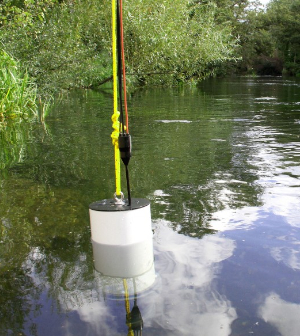
Identifying phosphate sources in the Hampshire Avon
Read about how a lab-on-chip phosphate sensor was deployed in the river Avon in the United Kingdom to help determine phosphate sources in the catchment. The sensor operated remotely for a 9‑week period, sampling every 30 minutes and communicating data in real time over the mobile phone network. Download the case study here.


